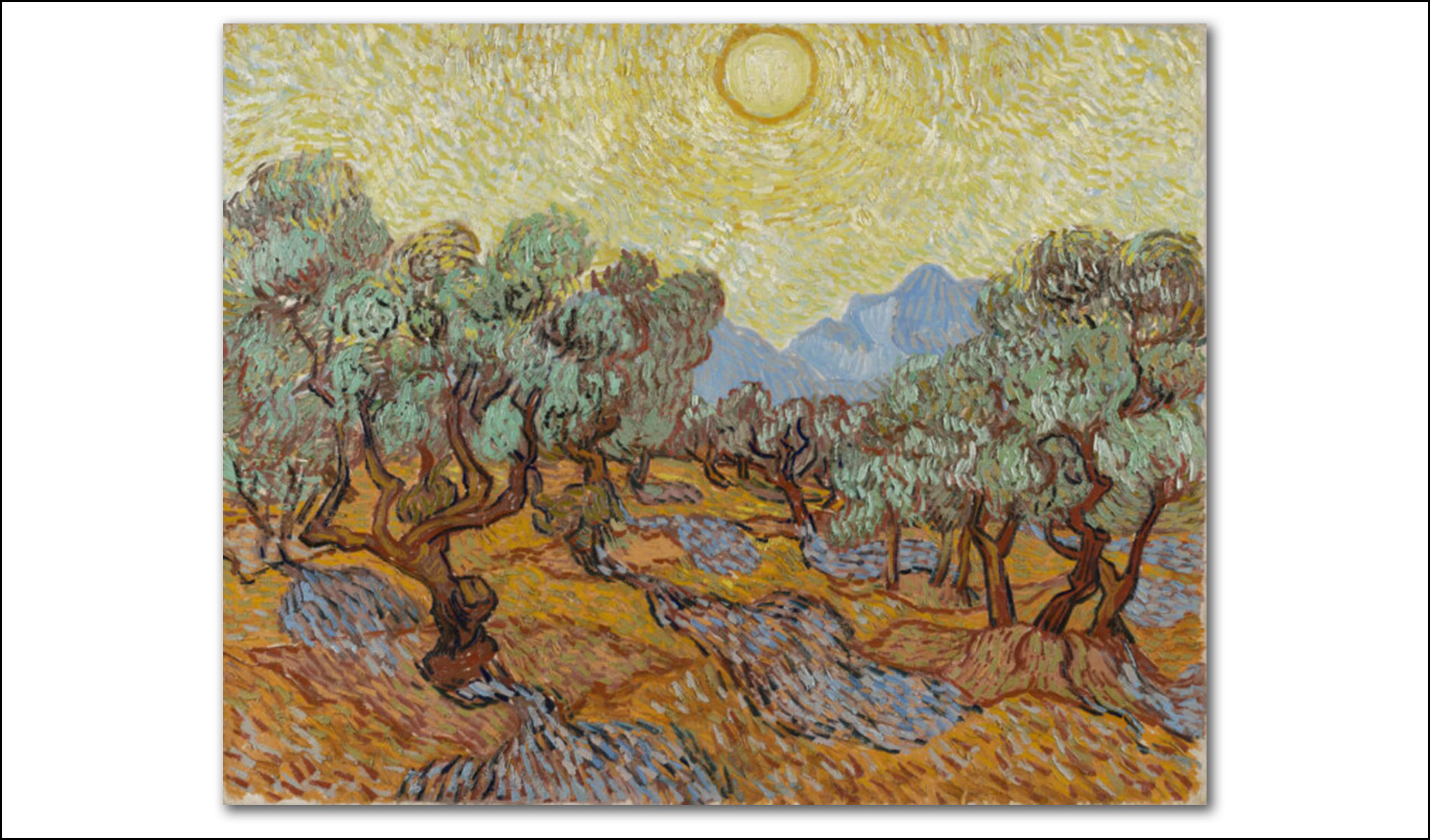
Van Gogh’s olive trees on display in Amsterdam
Organized by the two institutions, "Van Gogh and the Olive Groves", the exhibition brings together for the first time 15 paintings of olive groves that the artist made in 1889 in Saint-Rémy-de-Provence.
Organized by the two institutions, "Van Gogh and the Olive Groves", the exhibition brings together for the first time 15 paintings of olive groves that the artist made in 1889 in Saint-Rémy-de-Provence.
The cultivation of the olive tree has very ancient roots, the mother of all medicinal plants and has always been linked to man; its millenary history is intertwined with religious rituals, myths and legends.
A decision that underlines that the olive tree, a symbol of peace, wisdom and harmony, contributes to the sustainable economic and social development of peoples.
In 2010 the Mediterranean diet was proclaimed by Unesco as an intangible cultural heritage of humanity and with it also its cornerstone: extra virgin olive oil.
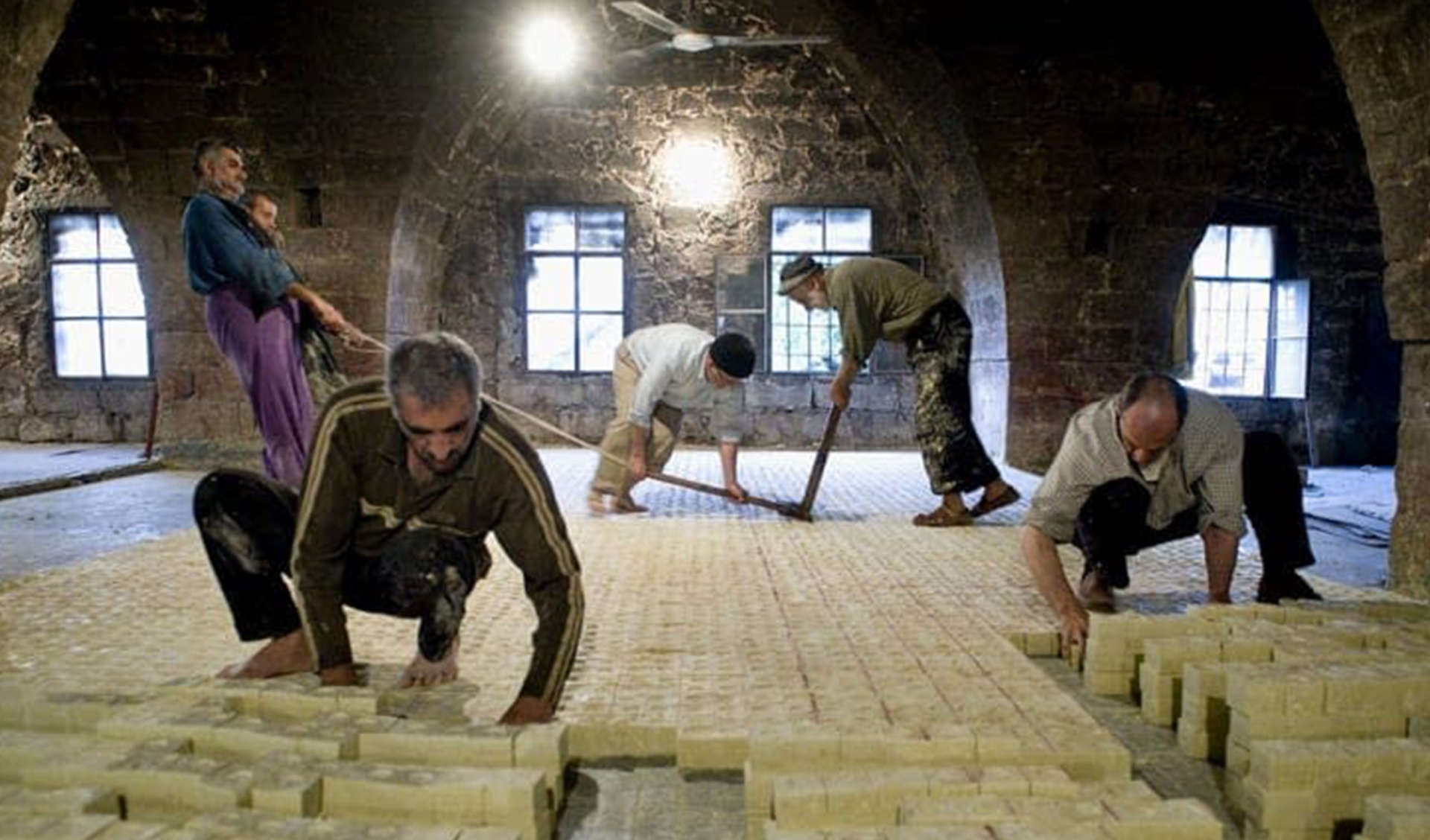
The olive oil soap manufacturing plant was discovered in the southern city of Rahat, inside a wealthy 9th-century house.
A platform where knowledge, skills and experiences can be exchanged, as well as useful tools to promote shared objectives, in the communities of origin, but with an international dimension.
In this country, the first olive tree was brought from Turkey by George Svanidze, a businessman and patron. To date, more than 1,000 hectares have been planted and, in 2016, the first Georgian olive oil was produced.

ITALY – Latina (LT) 04100 Viale Cesare Augusto 40
VAT Number: 02917030591
SDI: M5UXCR1
 7 reviews
Oliocentrica ® | © 2026 – all right reserved