The discovery of the 9th-century soap factory in Israel sheds light on ancient trade
The discovery of the 9th-century soap factory in Israel sheds light on ancient trade.
Africa / Middle East
The olive oil soap manufacturing plant was discovered in the southern city of Rahat, inside a wealthy 9th-century house.
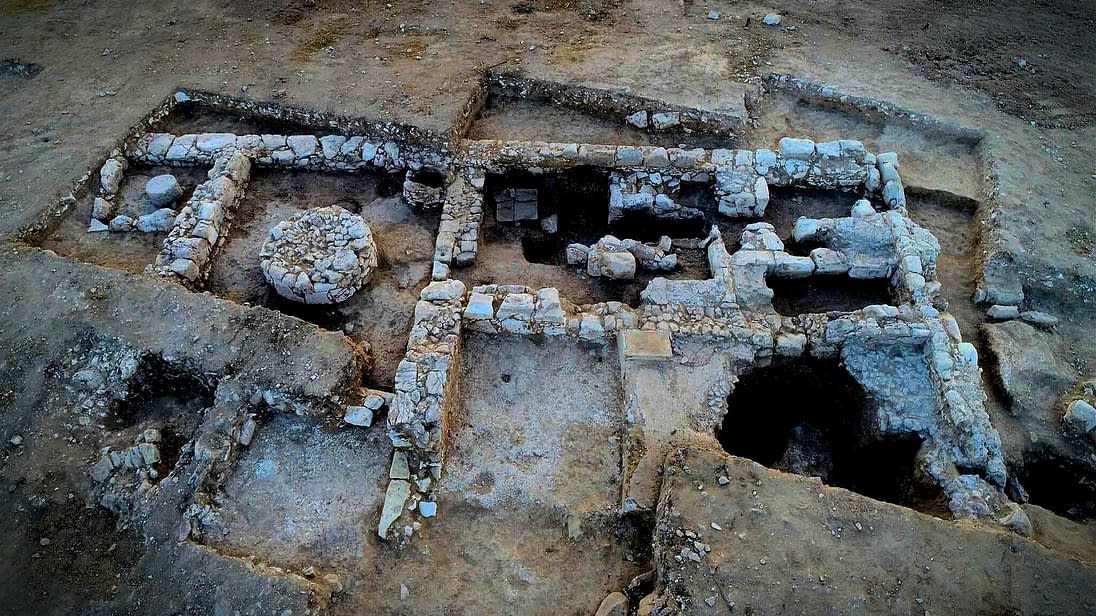
Photo: Emil Aladjem for the Israeli Antiquities Authority
Author: Kenaz Filan
The Israel Antiquities Authority (IAA) has announced the discovery of a 1,200-year-old olive oil soap factory near Rahat, a Bedouin city in southern Israel.
This is the oldest known soap factory in modern day Israel and one of the world’s earliest examples of solid soap production.
According to IAA, the factory was found inside the home of a reach family. Archaeologists believe that the family’s wealth came from selling the olive oil soap.
“This is the first time that such an ancient soap workshop has been discovered, which allows us to recreate the traditional production process of the soap industry. For this reason, it is truly unique,” said Elena Kogen Zehavi, director of the IAA excavations. . “We know of important soap making centers from a much later period, the Ottoman period. These were discovered in Jerusalem, Nablus, Jaffa and Gaza.”
Olive kernels found in excavations and chemical analyzes show that this 9th century soap factory used olive oil as a base. The olive oil was mixed with the ashes of the glasswort plants, which are composed of potassium salts and water.
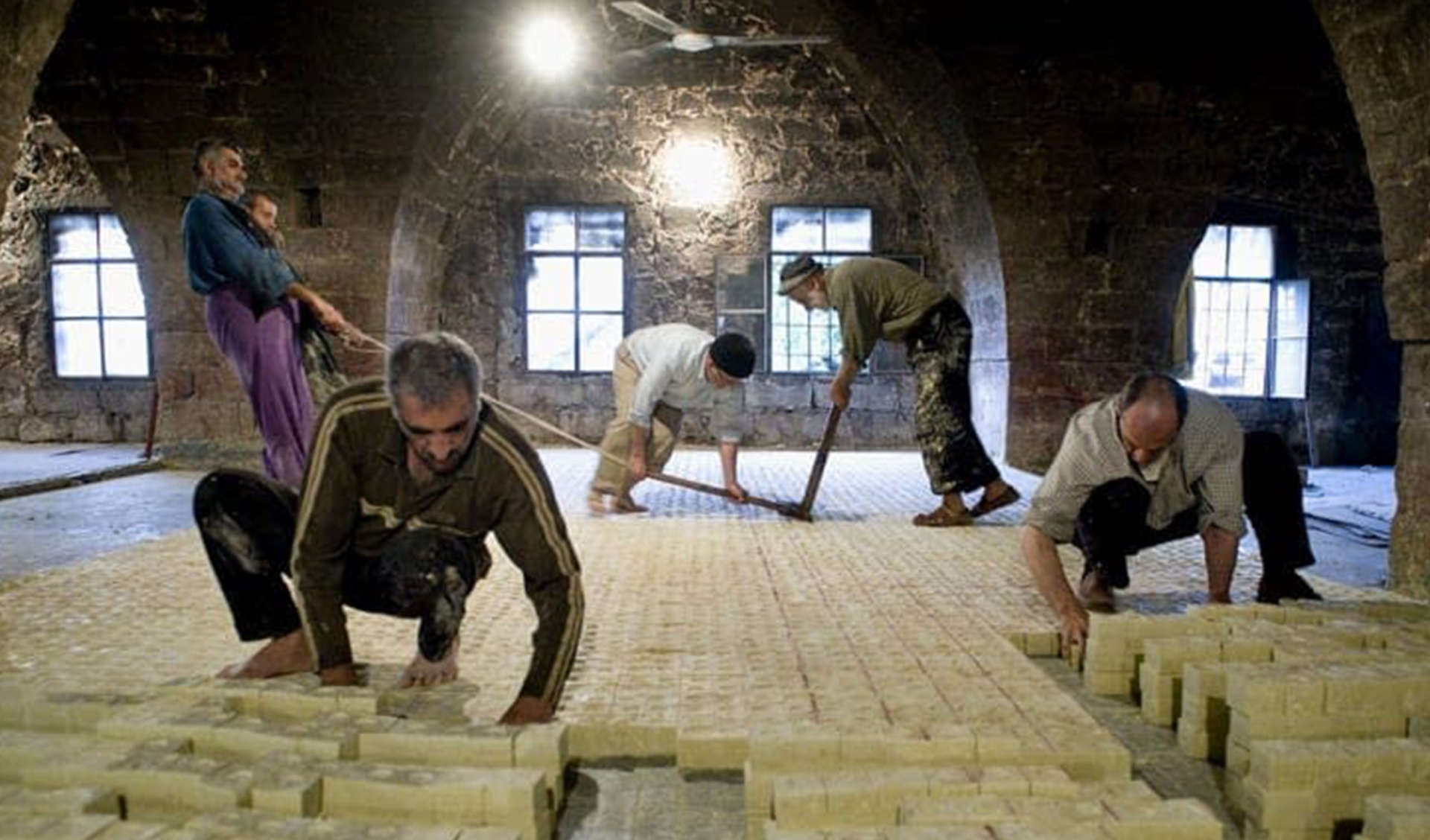
According to the IAA, the resulting mixture was cooked for seven days before being allowed to cool for another 10 days. After hardening, the soap was cut into bars and left to dry for another two months.
Kogen Zehavi told the Times of Israel that this production method is still used by olive oil soap makers in Nablus. The Palestinian city has been a center for the production of olive oil soap since at least the 10th century.
Sometime in the 8th century, Islamic chemists mastered the creation of hard soap. At the time, Europe used lard-based greasy soap lotions to clean clothes and floors. Instead of animal fat, Islamic soap makers used olive oil. These new odorless soaps could also be used for personal hygiene.